


Skull Bones Review
The skull is a complex unit of 22 bones that compose the skeleton of the head. Most of these bones are connected by immobile joints called sutures. The exception is the mandible, which is joined to the skull by the temporomandibular joint. This joint enables the movements of the lower jaw and functions such as speech and chewing.
The skull consists of two parts: neurocranium or the brain vault, and viscerocranium or the facial skeleton.
The neurocranium contains the brain. It consists of eight bones. Two of them are paired and they are temporal and parietal bones. The remaining bones are unpaired and they are the frontal, ethmoid, sphenoid and occipital bones. The neurocranium consists of the base or floor that is divided into the anterior, middle and posterior cranial fossae, and the skullcap, called the calvaria. The base of the skull features a large opening called the foramen magnum which enables the continuity of the brain and spinal cord. Aside from foramen magnum, the floor of the skull features many other openings and canals that allow the passage of the nerves and vessels between the brain and the periphery.
The viscerocranium forms the facial skeleton. It consists of 3 unpaired bones (mandible, ethmoid bone and vomer) and 6 sets of paired bones (maxilla, inferior nasal concha, zygomatic bone, palatine bone, nasal bone and lacrimal bone). The bones of the viscerocranium form the upper and lower jaws and house the teeth, nasal cavity and eye sockets (orbits).
Studying the bones of the skull
The skull is usually studied holistically by examining the bony landmarks seen from the anterior, posterior, lateral and inferior views of the skull. In addition, the base of the skull and cranial fossae are studied from the superior view with the calvaria removed. Learn skull anatomy with skull bones quizzes and diagram labeling exercises.
The following articles will provide you with an overview of the skull from these points of views, providing you with comprehensive articles and interactive quizzes in order to solidify and retain your knowledge.

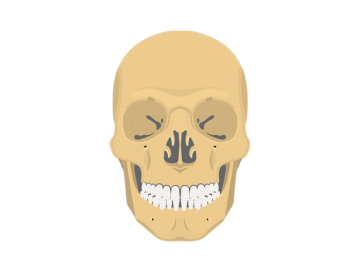
Skull Bone Anatomy – Anterior View
The frontal bone, zygomatic bone, maxilla, ethmoid bone and mandible make up the anterior view of the skull. Review the bone markings of the skull and test yourself.
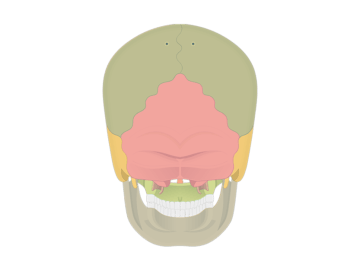
Posterior View of the Skull Bones
Review the posterior view of the skulls and the various cranial and facial bones of the skull in this interactive tutorial.
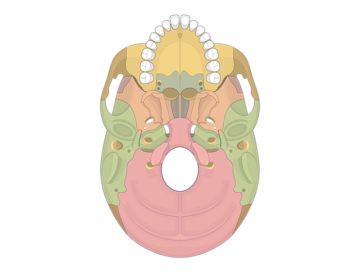
The Skull Bones Anatomy – Inferior View
A number of cranial and facial bones are visible when viewing the skull inferiorly. Review the bones of the skull and test your knowledge.
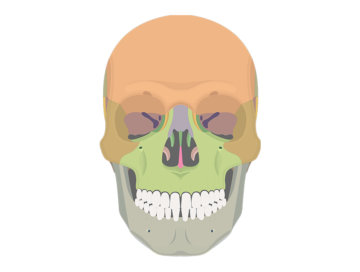
Anterior Skull Bones Quiz
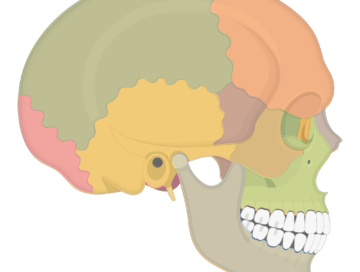
Skull Quiz – Lateral View
The skull consists of 22 bones connected to one another via […]
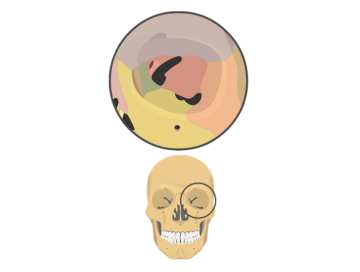
The Skull Bones – Orbital View
There are a number of markings on the cranial and facial bones which form the orbit of the skull. Review the bone markings and test yourself.