


Rectus Capitis Posterior Minor Muscle
Phases of the Cardiac Cycle
Last update:
Phases of the Cardiac Cycle:
The cardiac cycle is the sequence of events that occur in the heart with each beat. In this cycle, blood is pumped out of the heart and oxygen is circulated around the body.
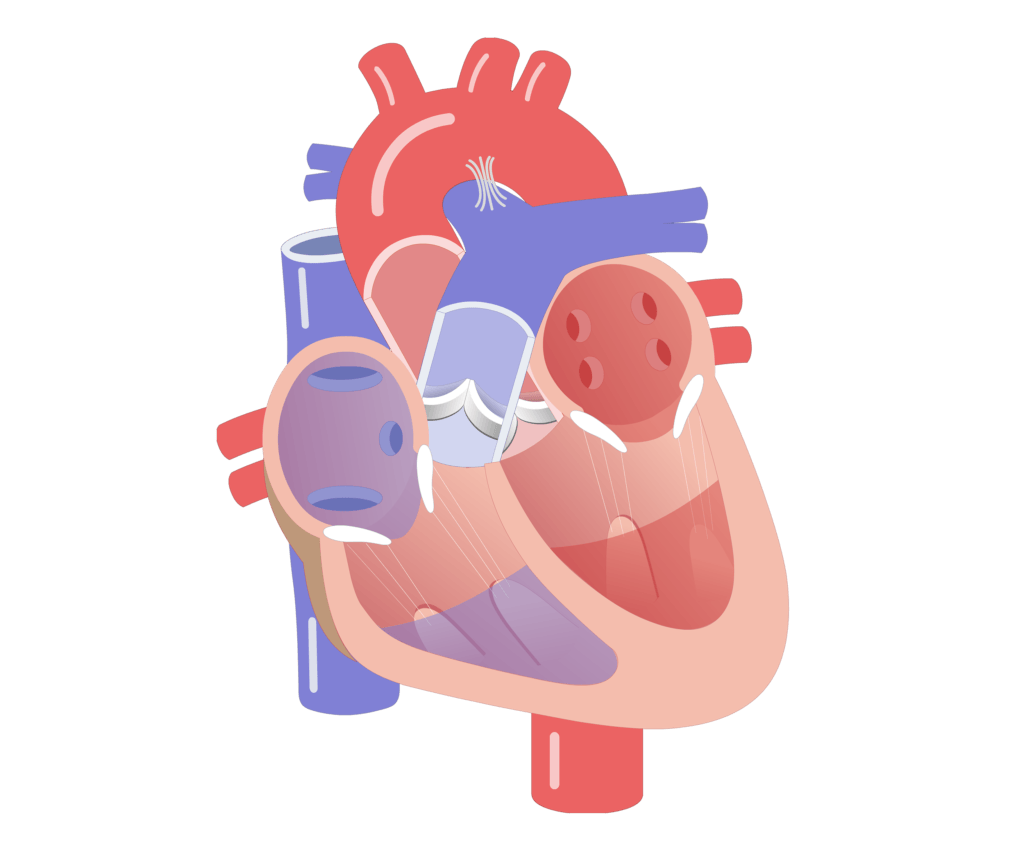
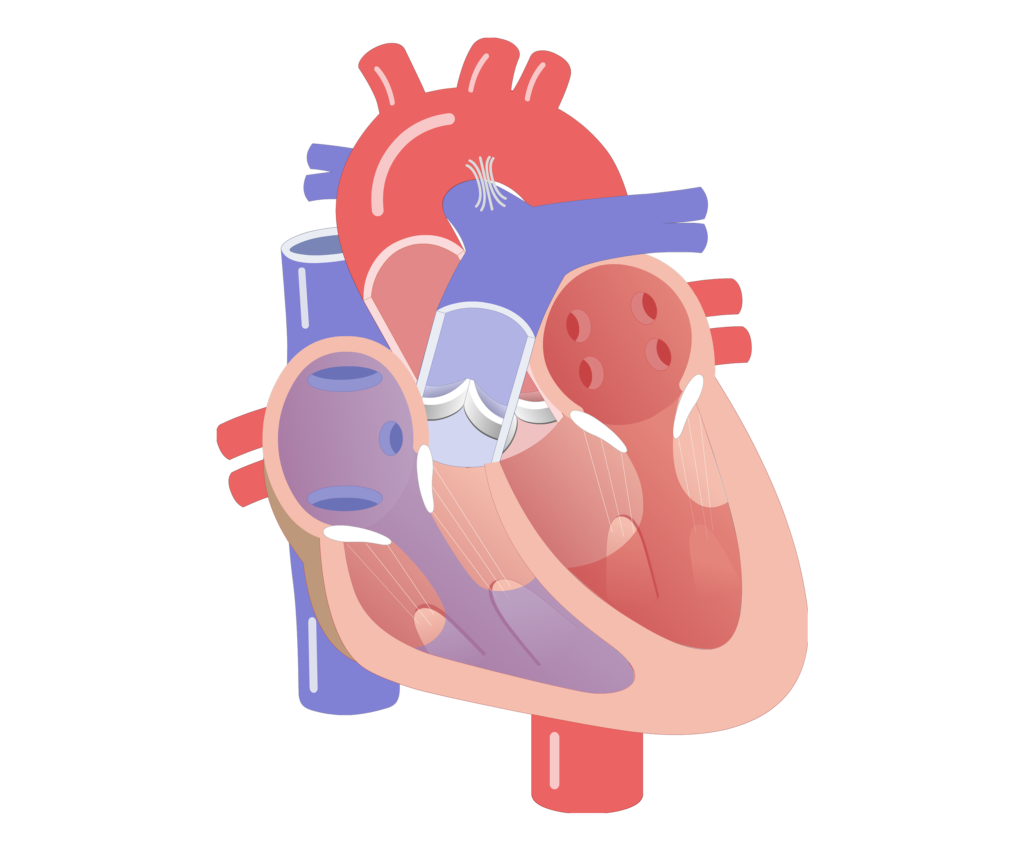
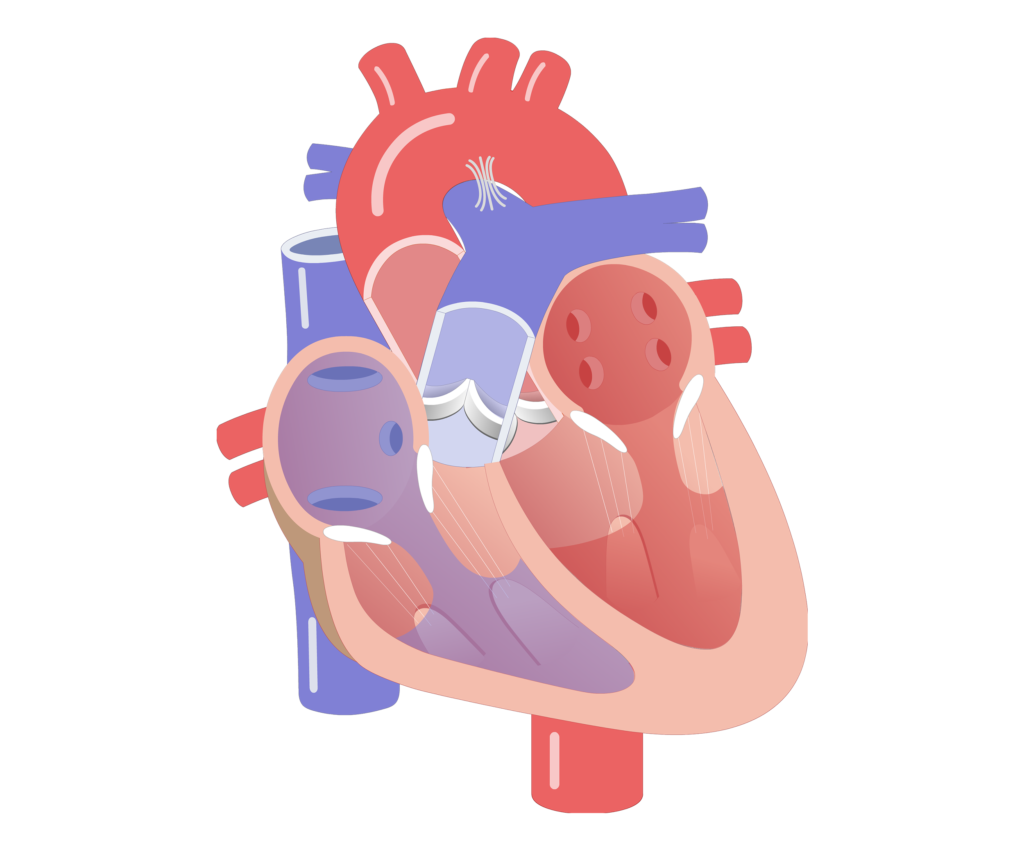
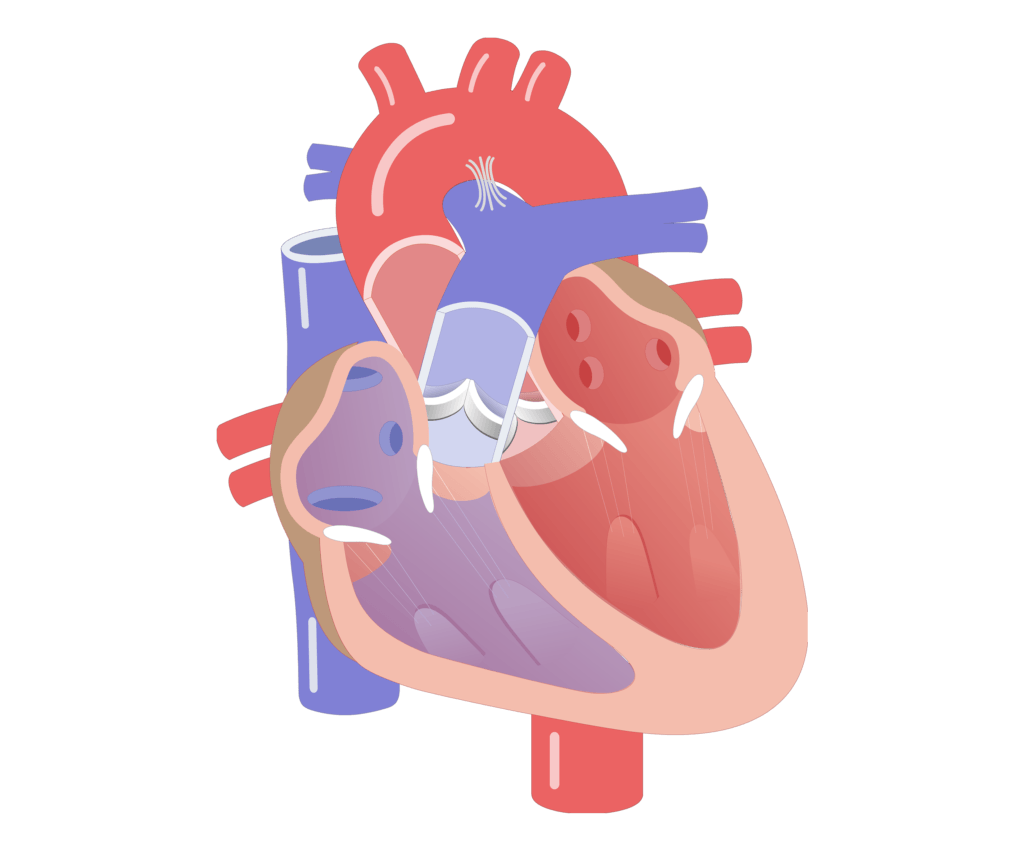
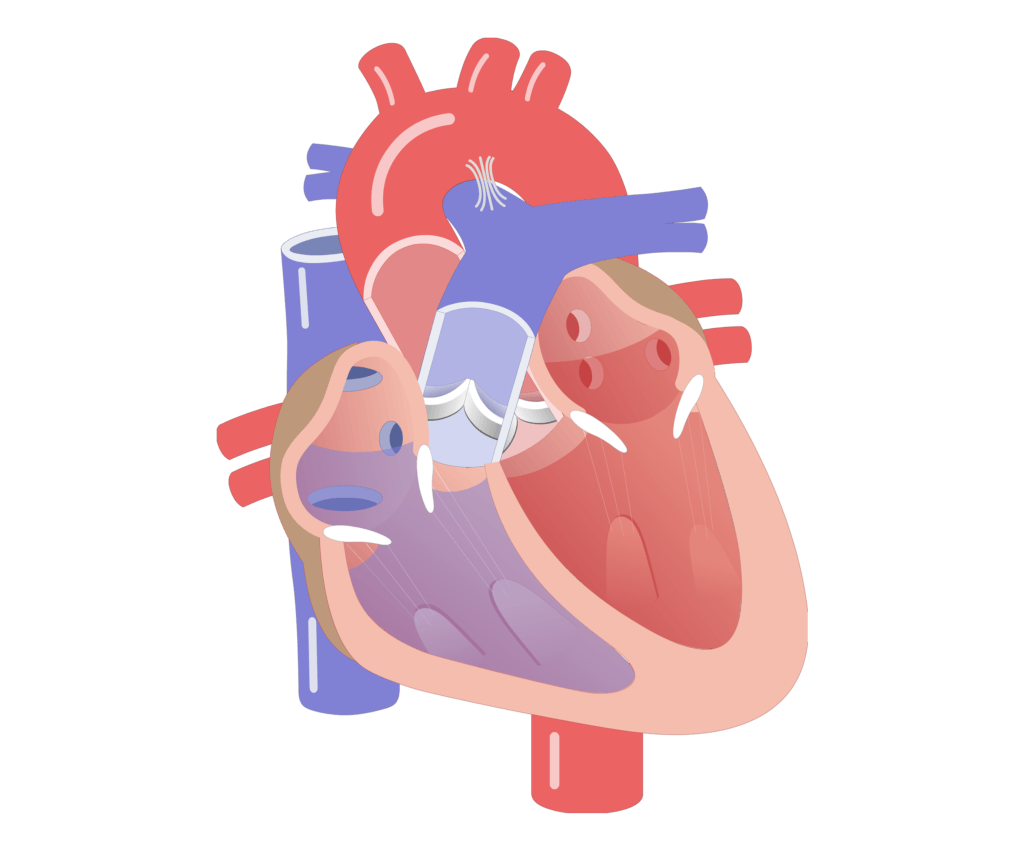
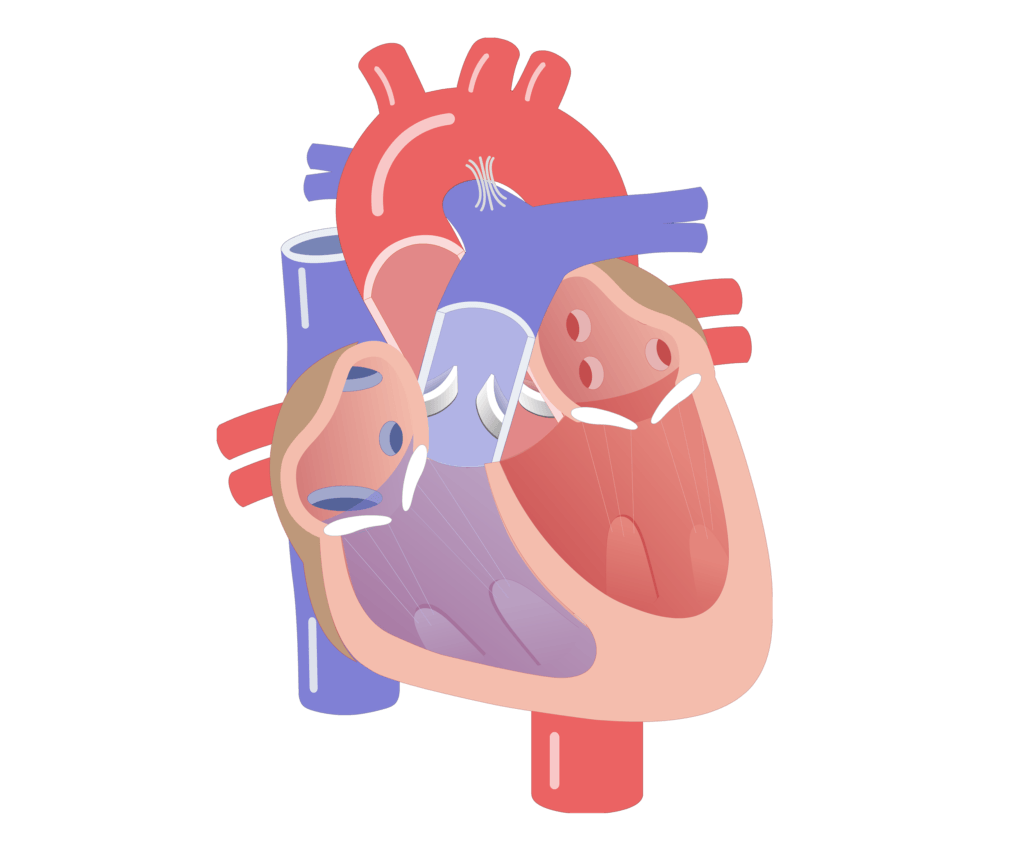
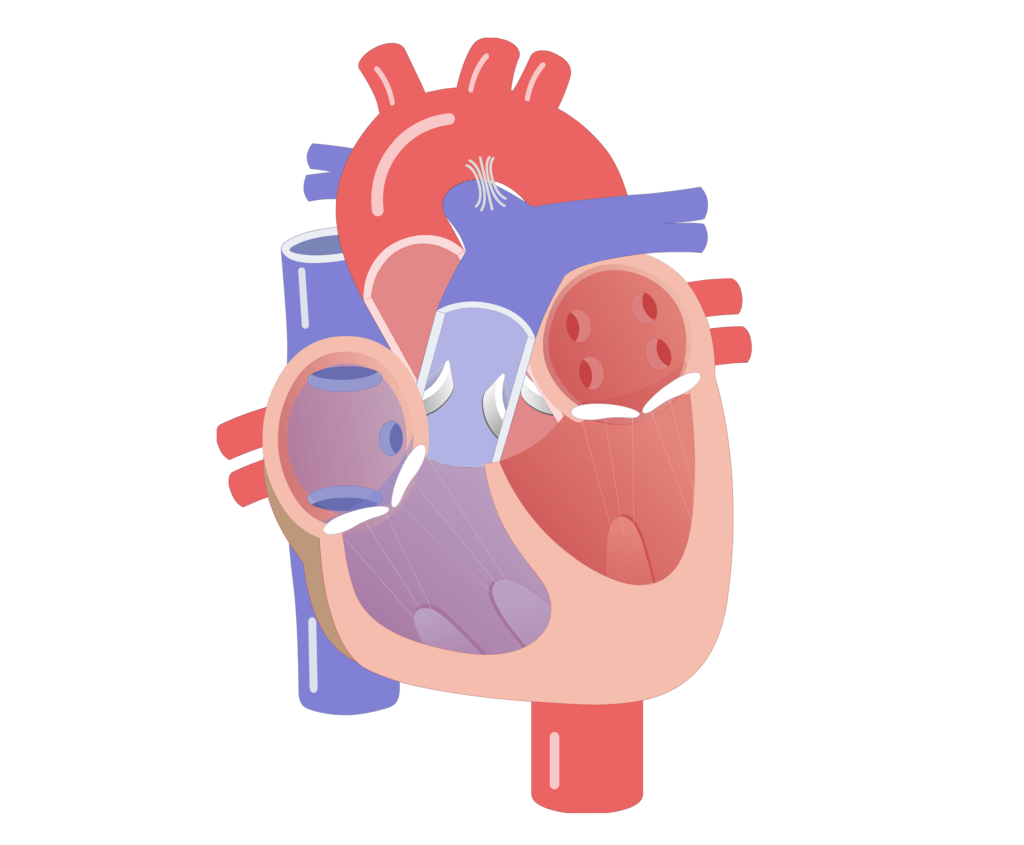
- As the ventricles relax from the previous cycle, blood
 passively flows into the ventricles from the atria through the open atrioventricular (AV) valves.
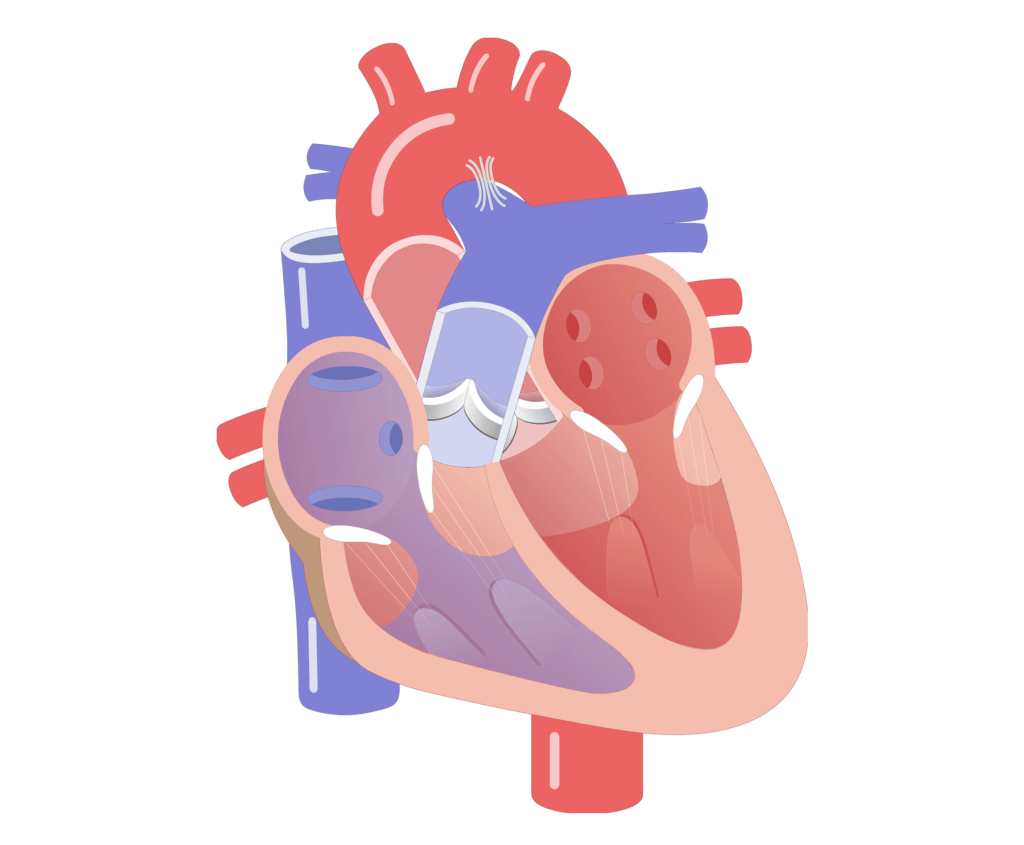
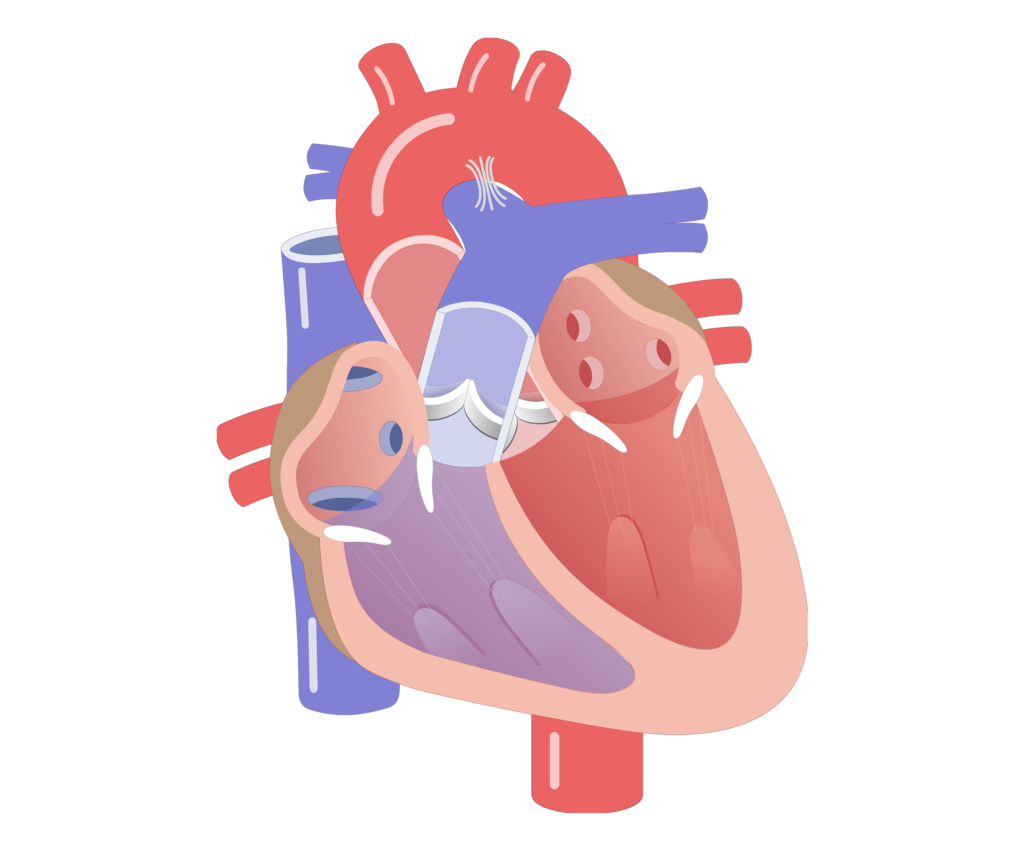
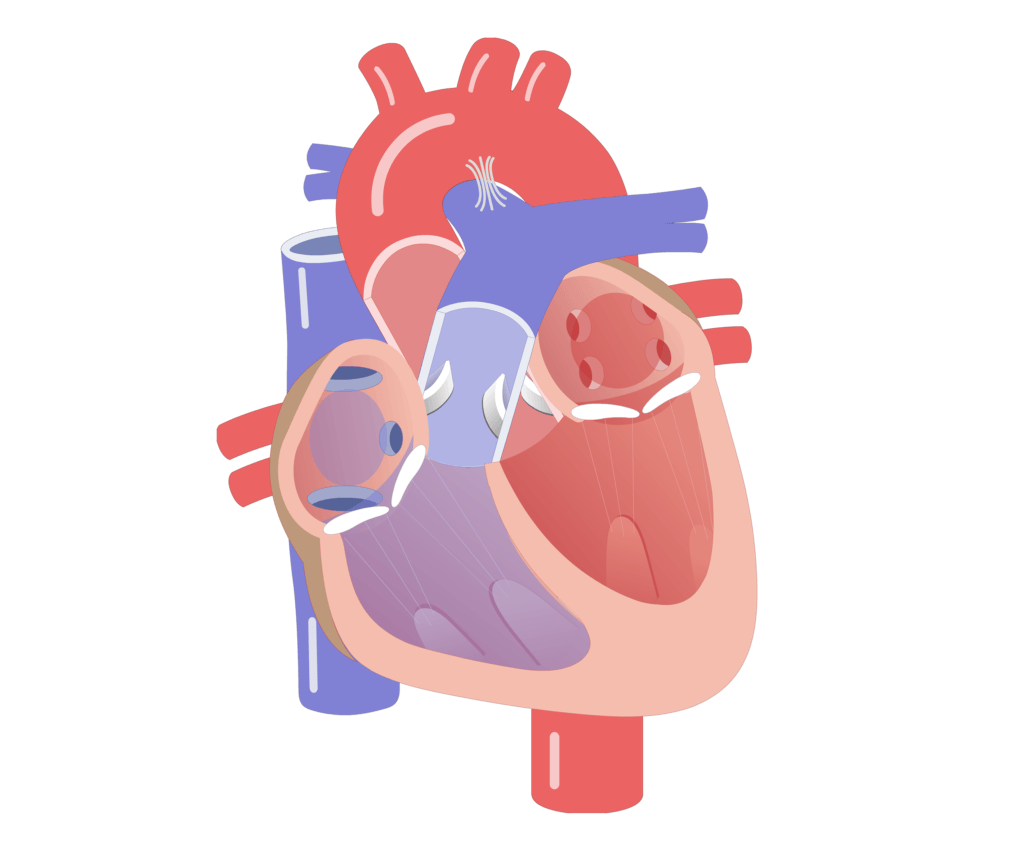
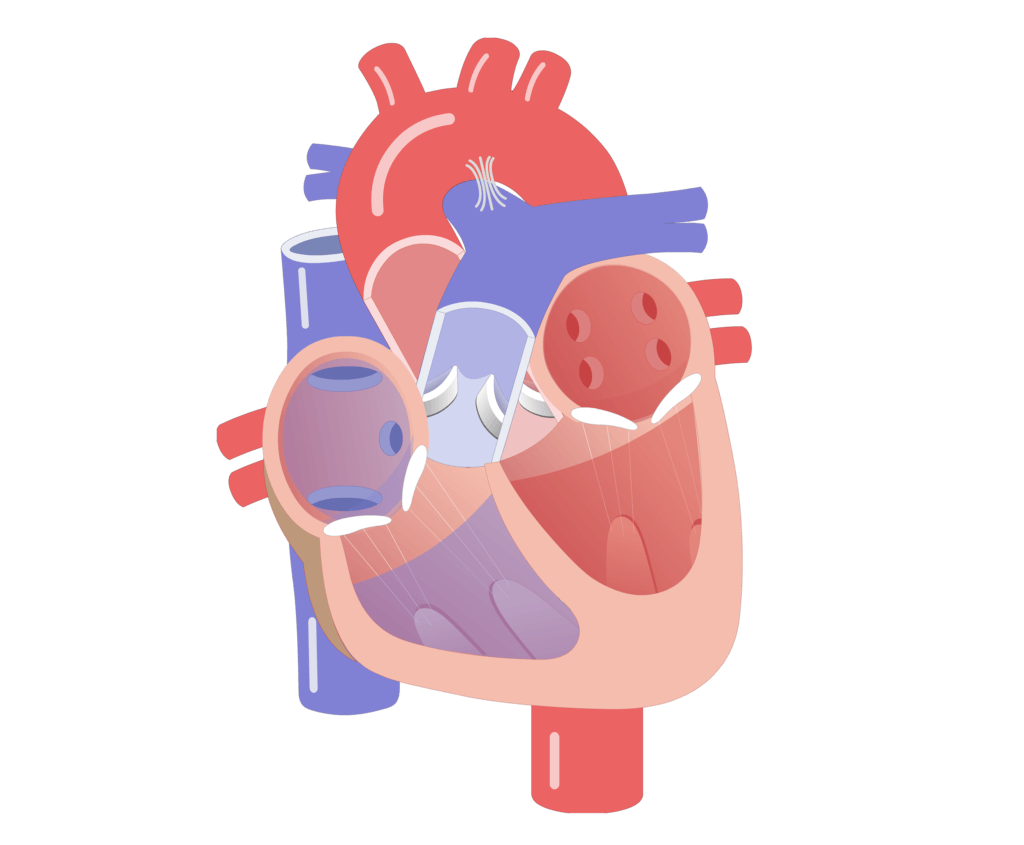
- Both atria contract (atria systole) to forcibly fill the ventricles with blood.
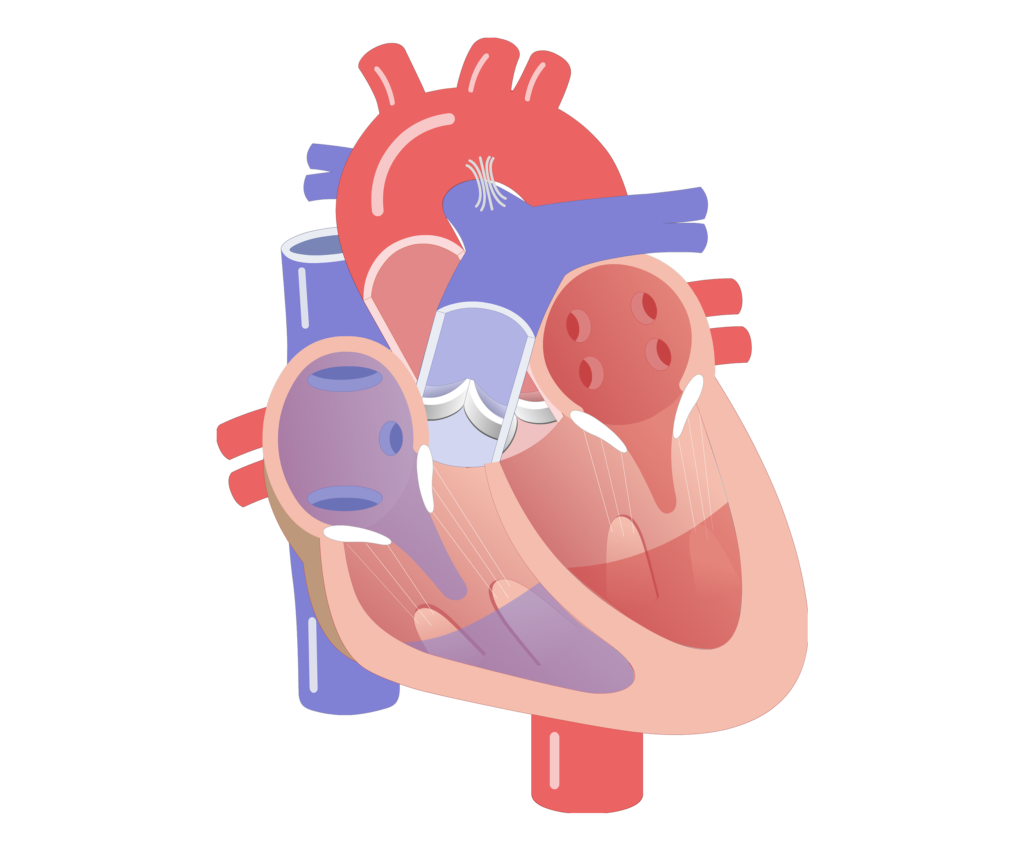
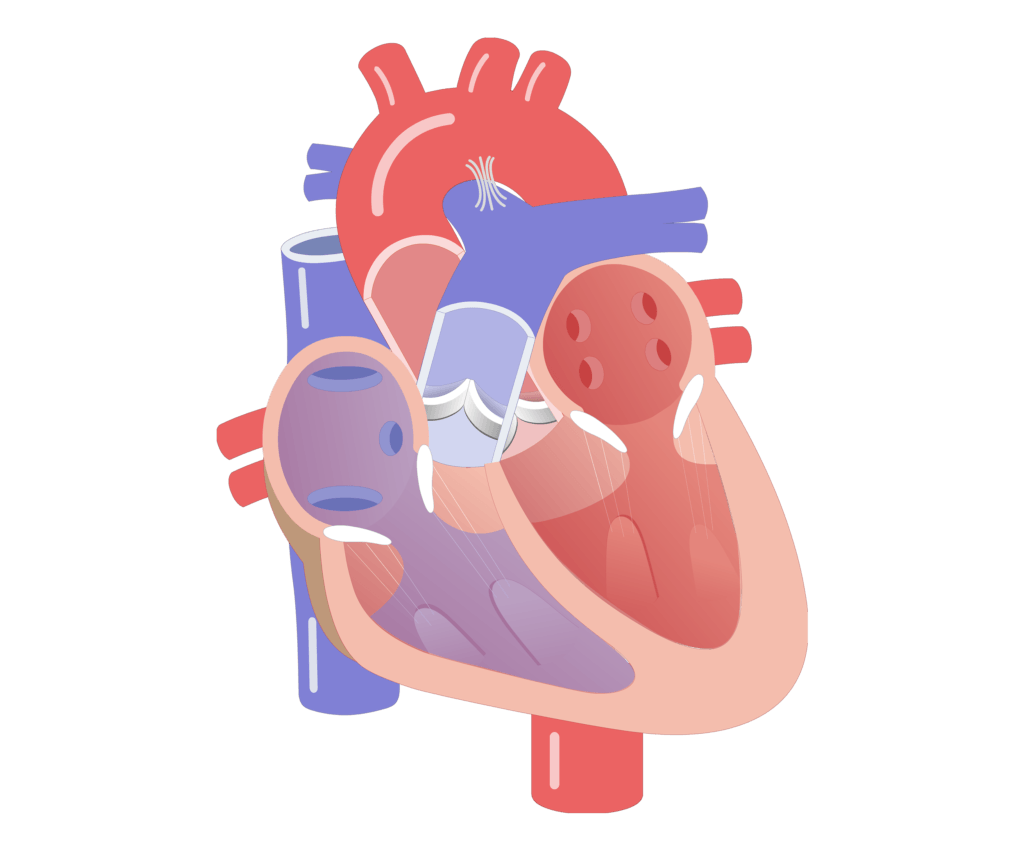
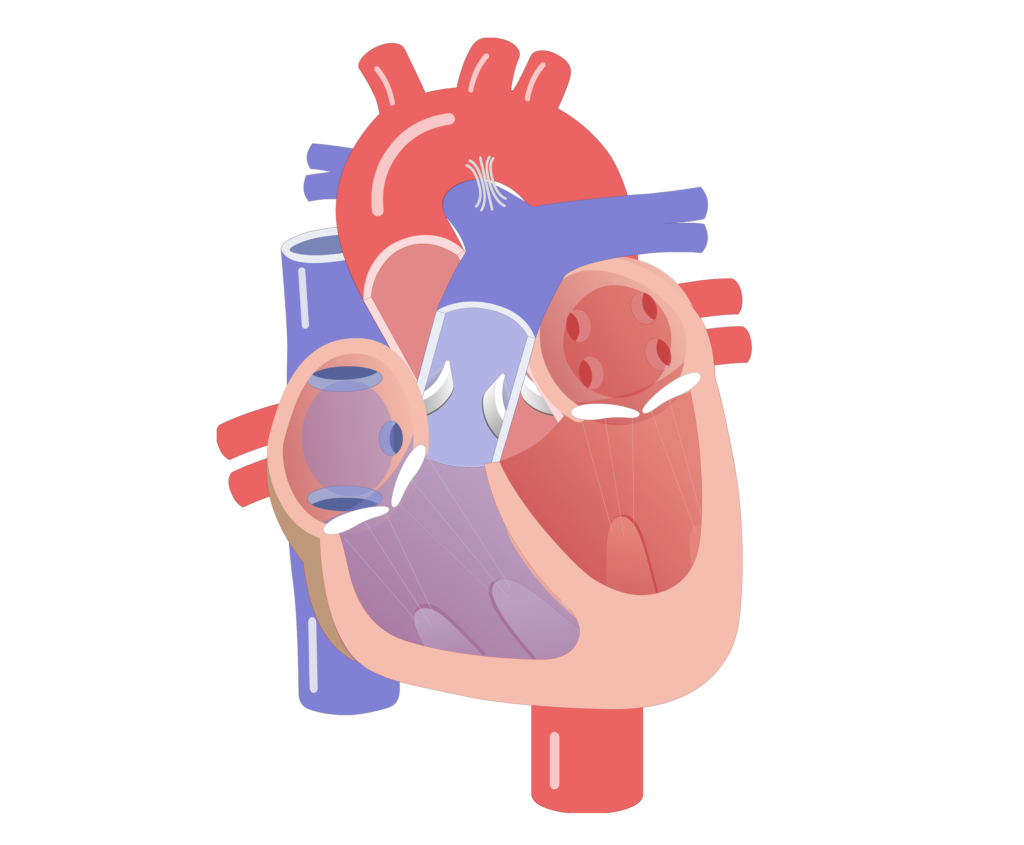
- The ventricles begin to contract (ventricular systole) after they are filled, which increases the intraventricular pressure. In response, the AV valves move upward and block blood from flowing back into the relaxing atria.
Keep learning the anatomy of the heart with this comprehensive heart revision guide.
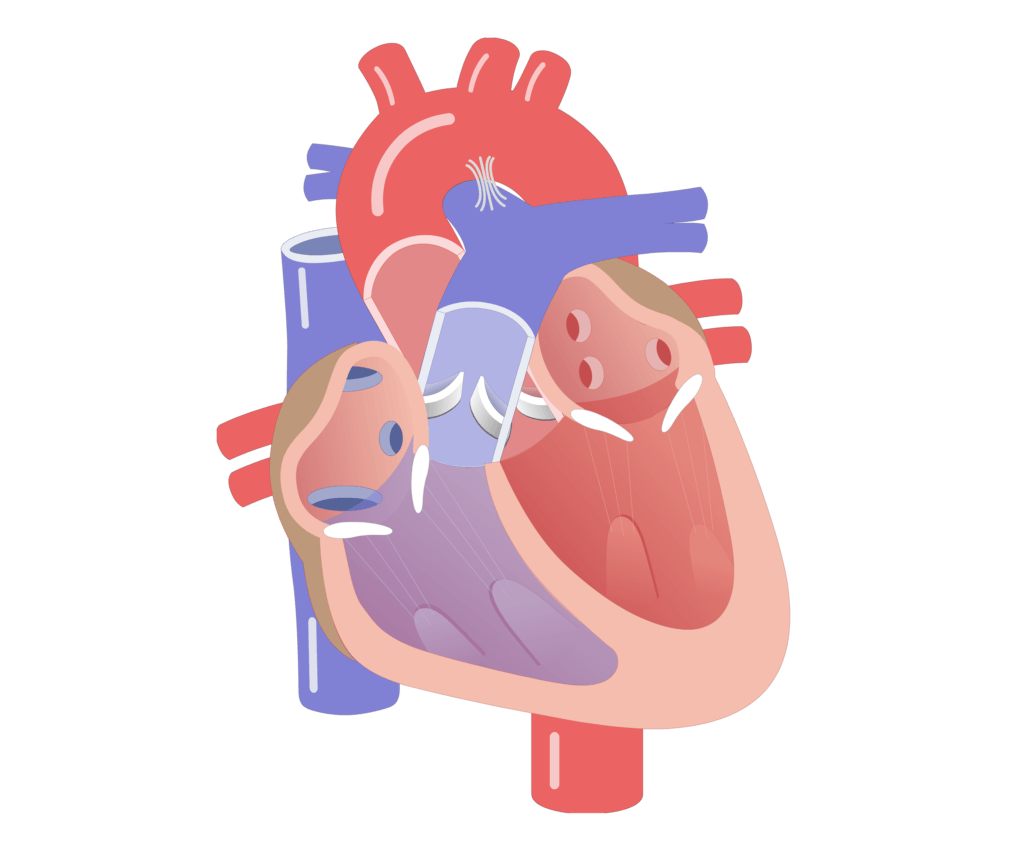
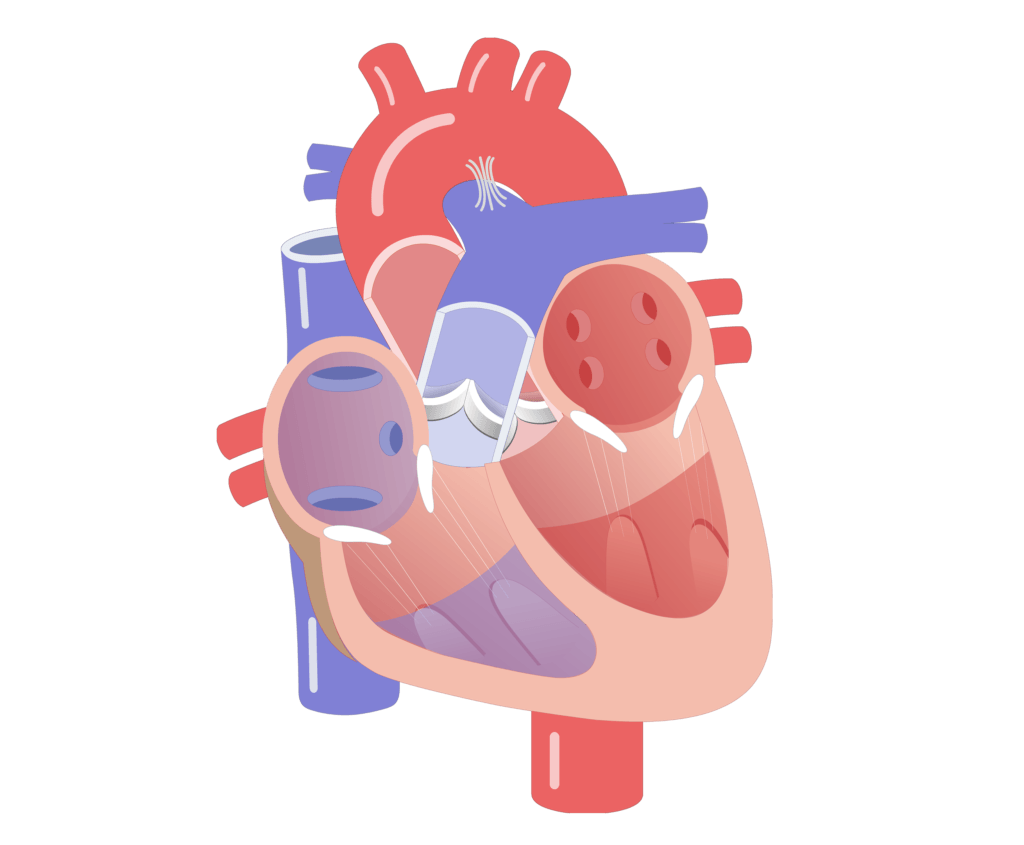
- The semilunar valves open due to continued ventricular contraction and rising intraventricular pressure. Blood enters the aorta and pulmonary trunk arteries and is then distributed through-out the body.
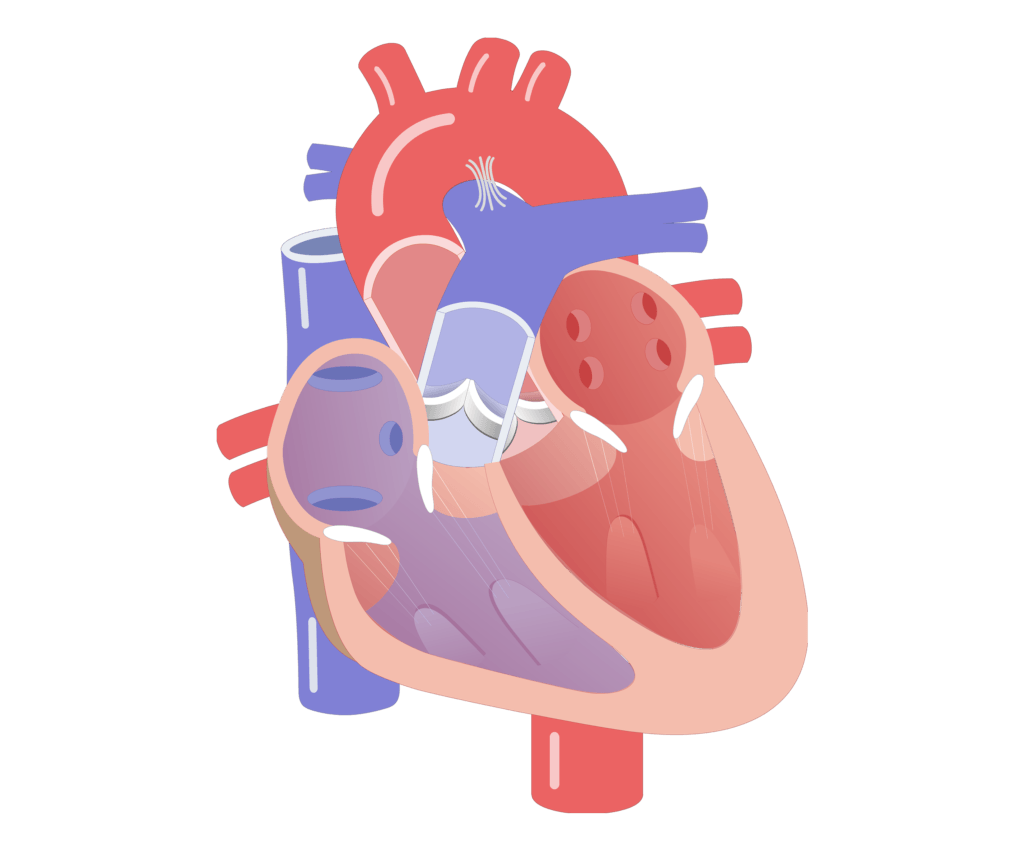
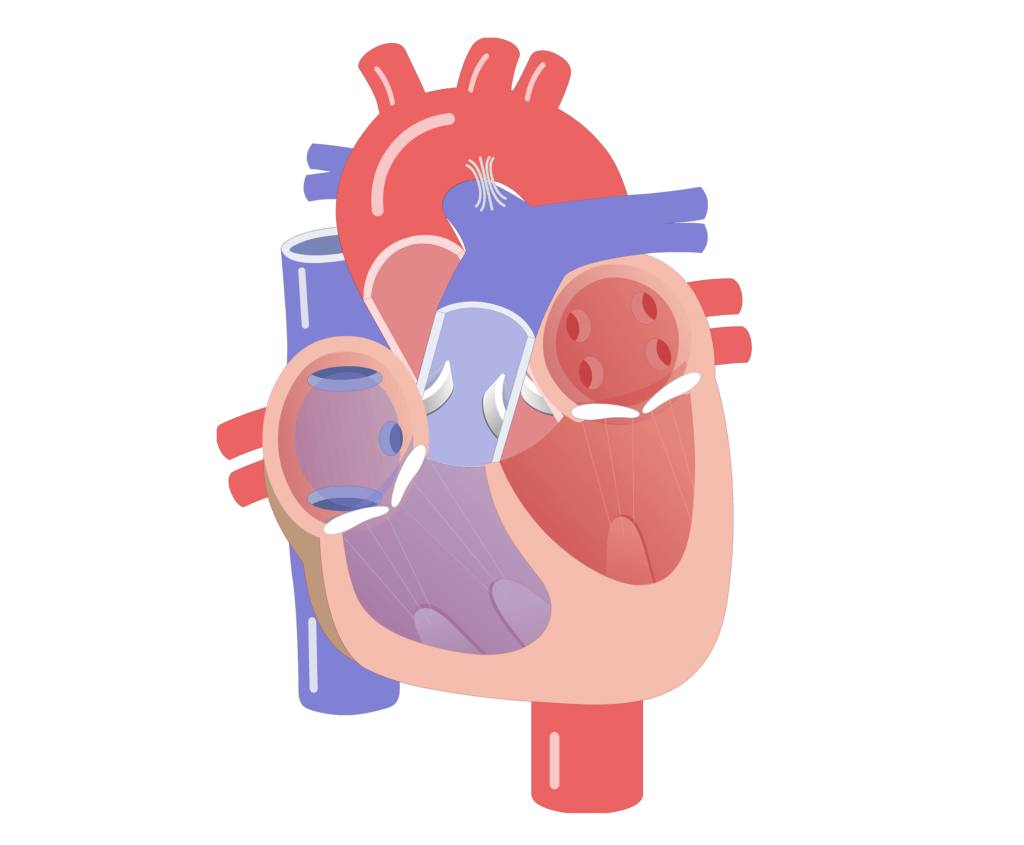
- After they contract, the ventricles enter a period of relaxation (ventricular diastole). The intraventricular pressure drops and blood in the large arteries reverses flow. This forces the semilunar valves to close, which prevents blood from entering the ventricles.
- The drop in ventricular pressure also allows the AV valves to re-open and a new cycle begins.
Related Articles
The Location, Size, and Shape of the Heart
Review the location of the heart as well as it’s size and shape in this interactive tutorial and test your knowledge in the quiz.
The four chambers of the heart and their functions
Review the four chambers of the heart as well as other features in this interactive tutorial and test yourself in the quiz.
Pericardium – Structure & Function
The pericardium is a fibrous sack that that surrounds the heart. Review the functions and anatomy of the pericardium in this interactive tutorial.